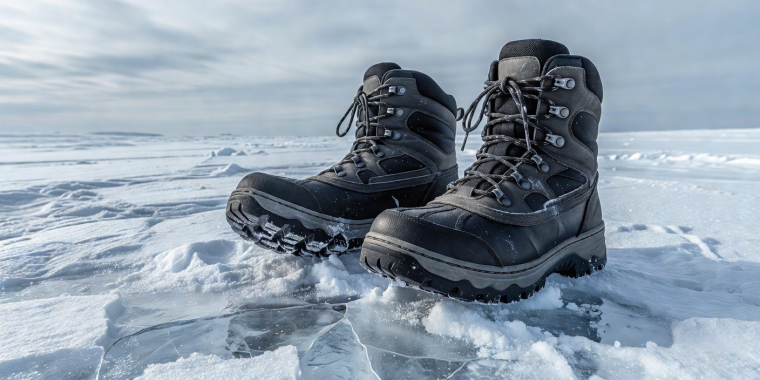
The Mechanics of Sub-Zero Footwear
Walking on frozen soil or compacted ice sheets creates intense conductive heat drain. In Finland, cold penetrates from the ground directly through thin outsoles. City sneakers or fashionable leather dress boots will freeze the balls of your feet within ten minutes of standing at a tram stop.
A certified Finnish winter boot requires a minimum 20mm to 30mm thick vulcanized rubber lug sole paired with an internal EVA or thermal felt frost-plug midsole. This physical thickness insulates your footbed from direct conductive ground contact.
Boot Insulation Categories: Felt Liners vs. Thinsulate
| Insulation System | Density / Thickness | Comfort Temperature Range | Maintenance Dynamic |
|---|---|---|---|
| Removable Wool Felt Booties | 9mm to 13mm natural felt | -20°C to -50°C | Removable for rapid overnight drying on woodstoves or drying racks |
| Bonded Thinsulate Insulation | 200g to 400g synthetic | -5°C to -25°C | Lower profile, ideal for walking and everyday driving |
| Shearling Sheepskin Lining | Natural dense pile | 0°C to -20°C | Luxurious moisture absorption, but requires gentle air drying |
Crucial Sizing Note: Always select winter boots one full European size larger than your summer footwear. If your toes touch the front edge or feel constricted with thick wool socks on, capillary blood circulation is compromised, causing rapid toe freezing regardless of insulation ratings.
Gloves vs. Mittens: The Surface-to-Volume Dilemma
In sub-zero temperatures, separate five-finger gloves separate each digit into an isolated cylinder with high exterior surface area and minimal thermal mass. Even the most expensive five-finger gloves struggle below -15°C during prolonged outdoor exposure.
Chambered Mittens
- Thermal Sharing: Four fingers share a single warmed micro-chamber, cutting exposed surface area by 60%.
- Wind Flap Space: Accommodates thin silk or Merino contact glove liners underneath.
- Sub-Zero Benchmark: The standard survival choice across Finnish Lapland snowmobile guides.
- Dexterity Limit: Unlocking door keys or handling smartphone cameras requires removing the outer mitten.
Three-Finger "Lobster" Mitts
- Balanced Control: Separates index finger and thumb for zipper operation and ski pole grip.
- Enhanced Warmth: Retains 80% of mitten thermal retention for the remaining three fingers.
- Winter Cycling Standard: The preferred glove architecture for Helsinki winter cyclists.
- Sizing Precision: Requires careful hand measuring to prevent knuckle pressure.
Headwear & Facial Protection: Beanies, Trappers and Balaclavas
While the old myth that humans lose 80% of heat through the head has been debunked by medical science, the scalp and face remain heavily vascularized without vasoconstrictive protection. Leaving your head uncovered triggers sensory thermal shock and accelerated full-body shivering.
- Double-Layer Ribbed Beanies: Heavy 100% Merino or lambswool knit rolled over the ears provides reliable defense down to -15°C.
- Trapper / Aviator Hats (Karvalakki): Shearling or faux-fur lined ear flaps that tie securely beneath the chin, completely neutralizing howling Baltic gale winds.
- Merino Wool Neck Gaiters: Superior to loose scarves, which can unravel in wind. A tube gaiter can be pulled up over cheekbones and nose tip to protect facial skin from frostnip.